How to Make a 3D Game with AI (No Coding Required)
Yes, you can build a 3D game with AI and no coding. A step-by-step guide: plan the game, build the world, cast characters, direct animation, add voice, ship.
 Sreeja VallamullaCo-founder, ZeroAtoms3 min read

Short answer: yes. In 2026 you can make a real 3D game with AI and no programming background. Use an AI game engine where you describe what you want in plain language, build the game in small playable steps, and spend your own time on what AI can't judge for you: whether it's fun.
This guide walks through the process we see work best for first-time developers. The examples use ZeroAtoms, but the steps apply to any AI game maker.
Step 1: Write the game down in one page
Before you touch an editor, write a one-page description. In ZeroAtoms this lives in a file called game.md, and the AI agent reads it every time you ask for something, so it stays consistent with your idea.
Keep it short and concrete:
- The pitch in one sentence. "A wounded knight crosses a ruined kingdom to warn the last city."
- What the player does every minute. Walk, climb, fight, talk, solve.
- The look. Two or three reference words: "rain-soaked, gothic, grounded."
- Scope. One region, three characters, about an hour of play.
A small, finished game teaches you more than a huge unfinished one.
Step 2: Build the world first
Start with the place, because everything else needs somewhere to stand. Describe it the way you'd describe a film location:
Make a deep river canyon with an old stone bridge across it, at golden hour.
A good AI engine builds this in layers (terrain, water, foliage, buildings and light) so you can change one without breaking the others. Then refine with follow-ups: "add a fishing village on the east bank", "make the river wider", "move the sun lower".
Walk through it in play mode early. Scale problems, like doors that are too small or cliffs that are impossible to climb, are much easier to fix now.
Step 3: Cast your characters
Describe characters by who they are, not just how they look:
A weathered desert nomad in his 50s. Sun-scarred skin, layered linen robes, brass goggles, and a long rifle wrapped in cloth.
What you want back is a game-ready character: clean topology, textures, a skeleton (rig) so it can move, and facial blendshapes so it can talk. Ask for a few variants and pick one. If any of these terms are new, our game dev glossary explains them in plain English.
Step 4: Direct the animation
This is where AI saves the most time. Instead of keyframing by hand, write what should happen:
Limp across the bridge favoring the left leg, then stop and look back over the shoulder.
Break actions into beats, and describe weight and mood, not just movement. We cover this in depth in how to animate game characters with text.
Step 5: Add voice, sound and music
- Voice: cast a voice by describing it ("gravelly, tired, an old sailor"), then write the lines. Tools like ElevenLabs produce the performance, and the engine syncs the character's lips and face.
- Sound effects: footsteps, wind, doors and impacts make a world feel solid.
- Music: Suno, Udio and AIVA can produce loops and themes. Check each tool's license for commercial use.
Step 6: Make it playable, then make it fun
AI can build content quickly, which makes it easy to keep adding things. Resist that. Get one short section playable from start to end, then play it repeatedly and fix what feels wrong: controls, pacing, difficulty, clarity. Ask friends to play without your help and watch where they get stuck.
Step 7: Ship it
When you publish on Steam, you'll disclose any AI-generated content that players see or hear. Valve simplified those rules in January 2026. Read our guide to selling a game made with AI before you submit.
What AI still can't do for you
- Decide what your game is about and why it's worth playing.
- Know when something is fun, fair or confusing.
- Keep a consistent vision across hundreds of small decisions.
That's the actual job of a game designer. AI removes the busywork that used to stand in front of it.
Frequently asked questions
Can I build a 3D game using AI?
Yes. AI game engines can now generate 3D worlds, rigged characters, animation, voice and much of the game logic from plain-language descriptions, so a single person or a small team can build a 3D game without writing code.
How do I make a game without coding?
Use an AI game engine or a no-code engine. Describe what you want in plain language, build one small playable section first, then test and refine it. ZeroAtoms, Rosebud AI and GDevelop all work without code.
How long does it take to make a game with AI?
A small, polished game with one area and a few characters can take weeks rather than years with AI tools. The time goes into design, testing and polish, not modeling and animation.
Is a game made with AI good enough to sell?
It can be. Players judge games on whether they are fun and polished. Generated content still needs direction, consistency and testing, and on Steam you need to disclose AI-generated content.
Keep reading
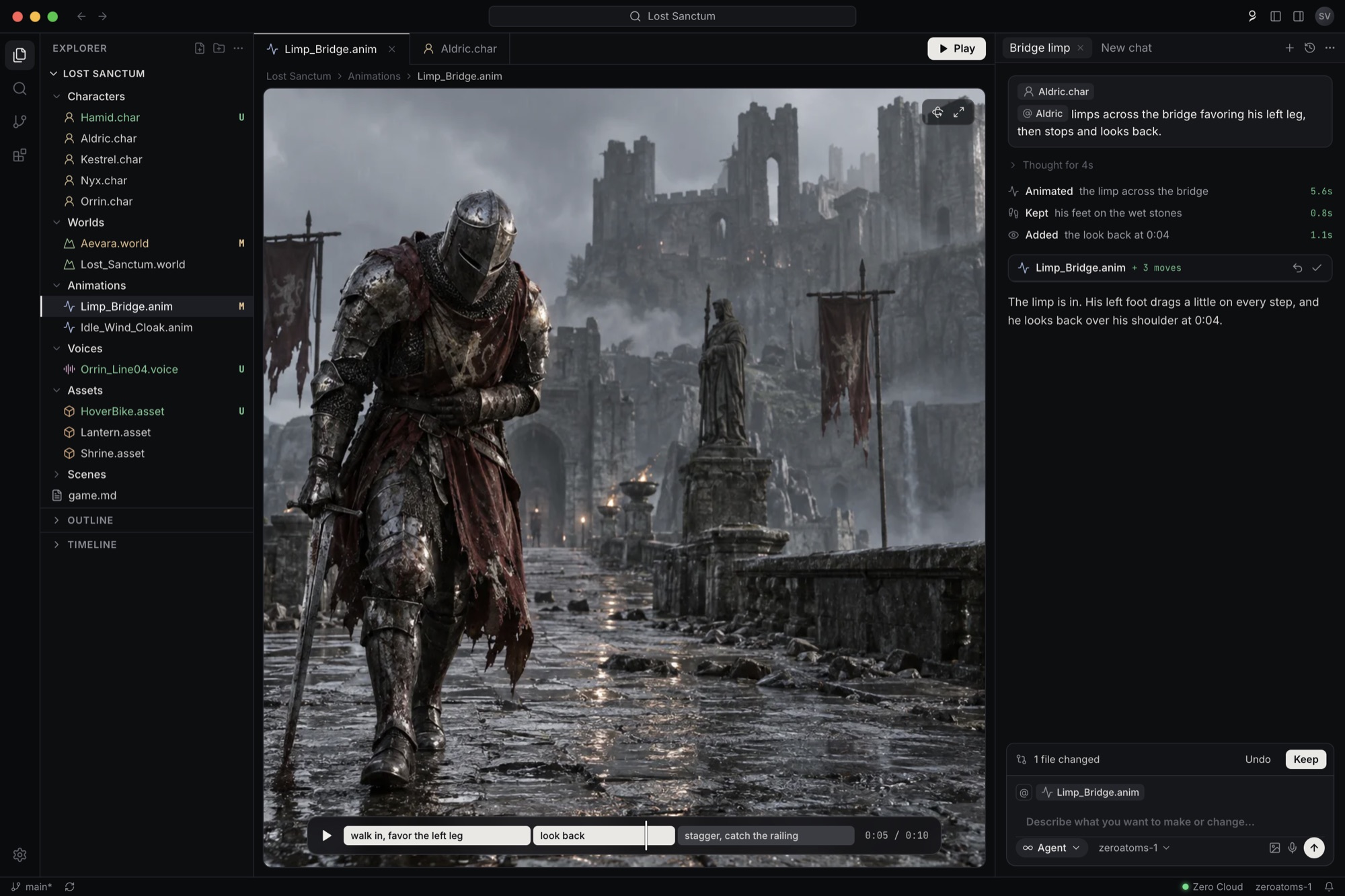 The Best AI Game Makers and Engines in 2026, ComparedAn honest comparison of AI game engines and makers in 2026, including ZeroAtoms, Summer Engine, Rosebud AI, Unity AI, Unreal and Godot, and which fits you.
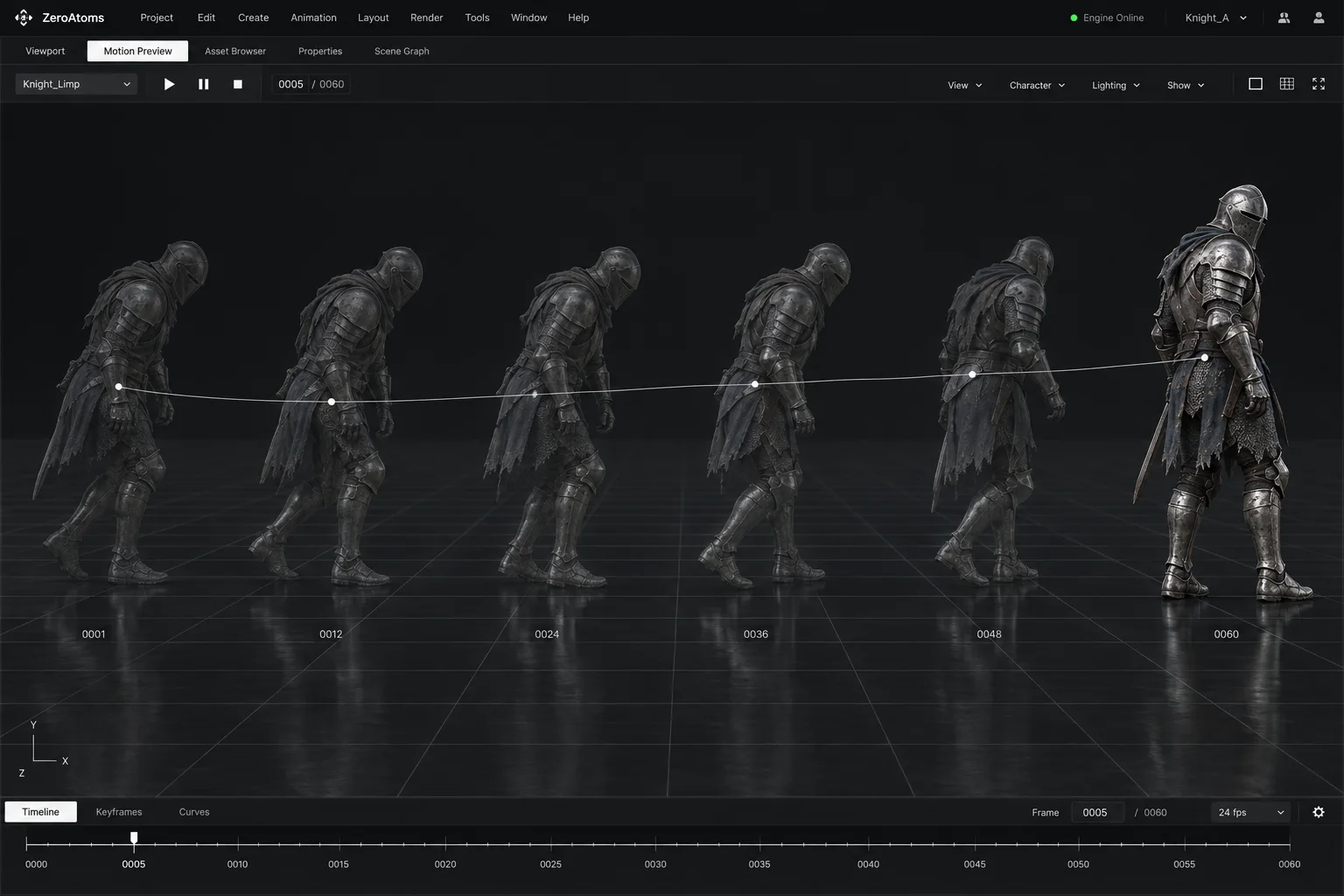 How to Animate Game Characters with Text PromptsHow text-to-animation works for game characters, how to write motion prompts that look natural, and how it compares to keyframing, mocap and Cascadeur.
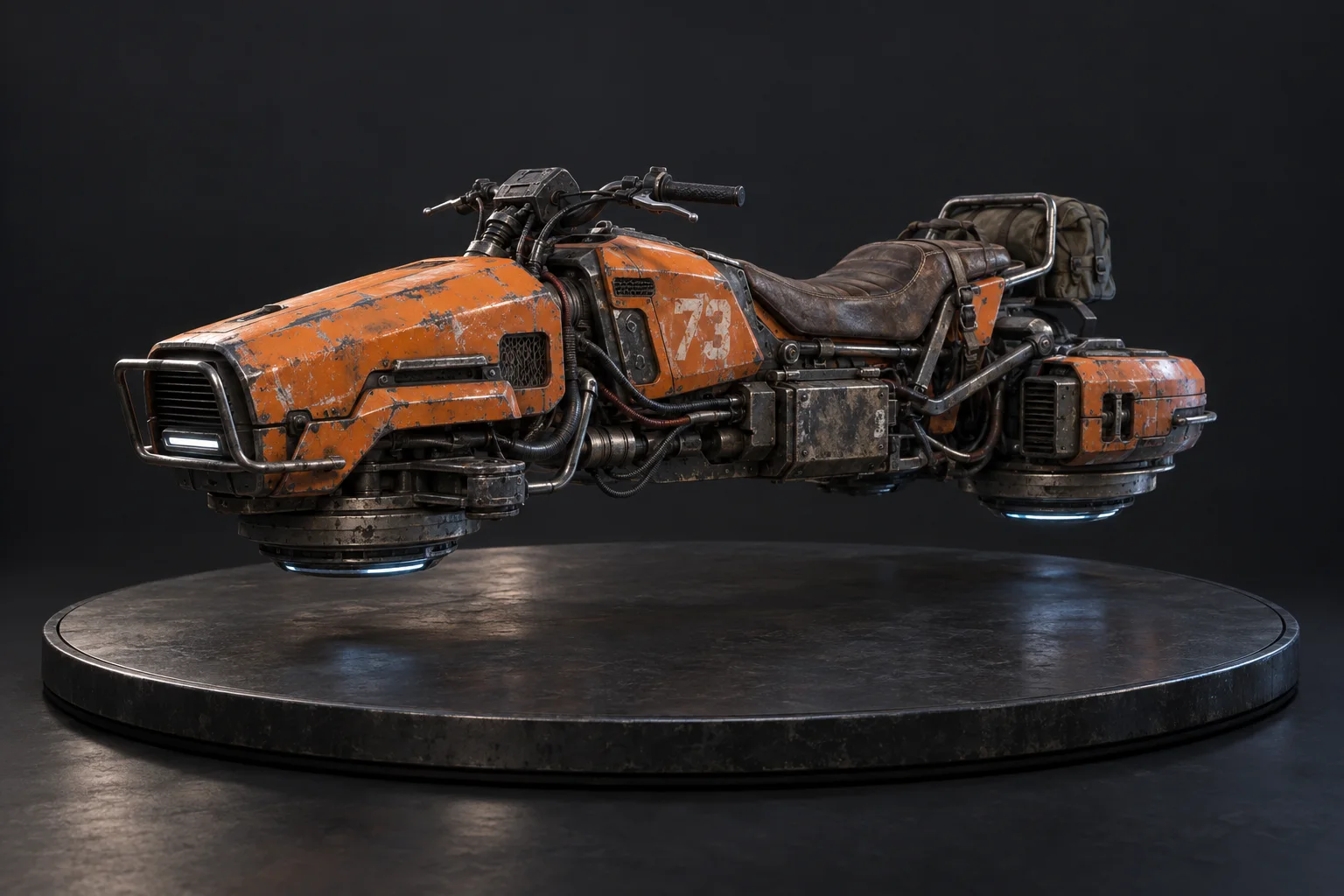 Meshy vs Tripo vs Rodin vs Hunyuan3D: AI 3D Models for GamesMeshy, Tripo, Rodin and Hunyuan3D compared for game assets in 2026, plus the checklist that makes an AI-generated 3D model actually game-ready.