Meshy vs Tripo vs Rodin vs Hunyuan3D: AI 3D Models for Games
Meshy, Tripo, Rodin and Hunyuan3D compared for game assets in 2026, plus the checklist that makes an AI-generated 3D model actually game-ready.
 Sai VedaCo-founder, ZeroAtoms2 min read
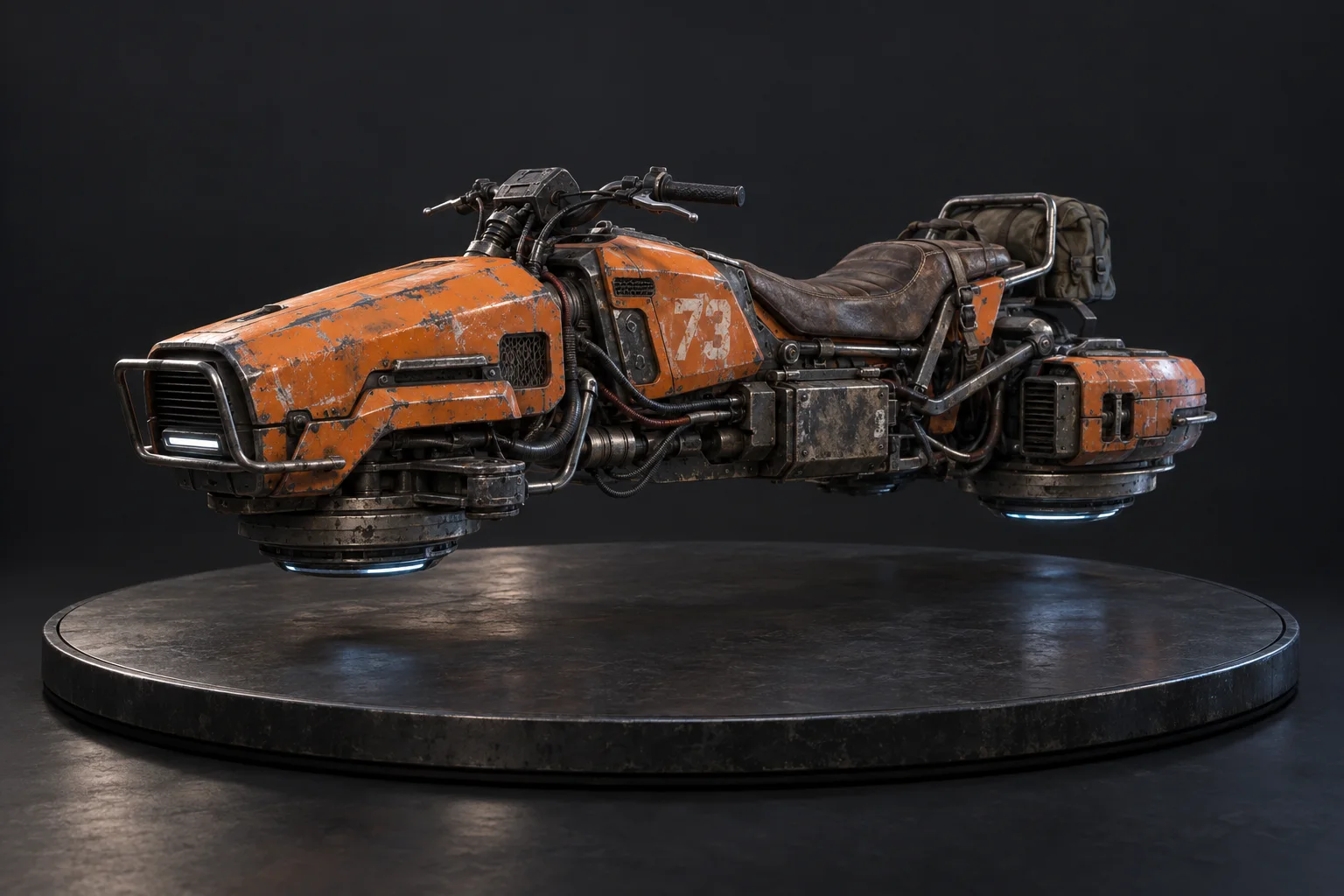
Short answer: Meshy is the most complete all-round pipeline, Tripo is the fastest for iterating and for stylized assets, Rodin by Hyper3D produces the most detailed hero assets, and Hunyuan3D is the strongest open-source option if you want to run it yourself and its license fits you. Whichever you use, the model isn't finished until it has clean topology, UVs, LODs and collision.
The four at a glance
| Generator | Strongest at | Watch out for | Good fit |
|---|---|---|---|
| Meshy | All-round text-to-3D and image-to-3D, remeshing, auto-rigging and animation presets | Very fine detail on hero assets | Most props and characters |
| Tripo | Speed and stylized looks, with auto-rigging | Newer model versions can be slower | Rapid iteration, stylized games |
| Rodin by Hyper3D | Detail and fidelity, especially organic and character models | Dense meshes that need more cleanup; API access on higher tiers | Hero assets close to the camera |
| Hunyuan3D (Tencent) | Open weights with PBR textures; no per-model cost when self-hosted | License limits by region and company size | Teams that want local control |
These tools change quickly, so try your own test asset in each before committing, and check current pricing on each vendor's site.
What "game-ready" actually means
A model that looks good in a preview can still be unusable in a game. Before an AI-generated asset goes into your project, check these:
- Topology. Clean, mostly quad geometry that deforms well when animated. Generated meshes usually need a remesh or retopology pass.
- Polygon budget. A prop might need a few thousand triangles; a main character tens of thousands. Generated meshes often start far higher.
- UVs. Non-overlapping UV islands so textures map correctly and can be baked.
- Materials. PBR maps (albedo, roughness, metallic, normal) at a sensible resolution, often 2K for props and 4K for hero assets.
- LODs. Lower-detail versions for when the object is far away. Without them, open worlds get slow.
- Collision. A simple collision shape so players and physics interact with it properly.
- Pivot, scale and orientation. The pivot at the base, real-world scale, and the right up-axis, so the asset drops into a level correctly.
This is why the first generation is rarely the expensive part. The cleanup chain is.
How ZeroAtoms handles this
ZeroAtoms connects to Meshy, Rodin and Tripo alongside its own models, and treats every generated asset the same way: it's retopologized, UV-mapped and textured, then given LODs, collision and a ground pivot before it reaches your library. You pick the generator that suits the asset and skip the cleanup steps. The same applies to models you import from Blender, Maya or Houdini.
A note on licenses
Commercial terms differ between tools and can change, so read them before you ship. For example, Tencent's Hunyuan3D 2.0 community license doesn't cover use in the EU, the UK or South Korea, and companies above 1 million monthly active users must request a separate license. Check the license file for the specific model version you use. Our guide to selling a game made with AI covers the wider legal picture.
Frequently asked questions
What is the best AI 3D model generator for games?
For most game teams Meshy is the most complete all-round option. Tripo is fastest for iteration and stylized assets, Rodin by Hyper3D gives the most detail for hero assets, and Hunyuan3D is the leading open-source choice if its license fits your use.
Are AI-generated 3D models game-ready?
Usually not straight out of the generator. They typically need retopology, UVs, a polygon budget, LODs and collision before they work well in a game. Some engines, including ZeroAtoms, do these steps automatically.
Can I use AI 3D models in a commercial game?
Often yes, but it depends on each tool’s terms and plan. Some open models restrict regions or company size. Read the license for the exact tool and version before you ship.
How many polygons should a game asset have?
It depends on the platform and how close the camera gets. Small props are often a few thousand triangles and main characters tens of thousands, with LODs for distance.
Keep reading
 The Best AI Game Makers and Engines in 2026, ComparedAn honest comparison of AI game engines and makers in 2026, including ZeroAtoms, Summer Engine, Rosebud AI, Unity AI, Unreal and Godot, and which fits you.
 How to Make a 3D Game with AI (No Coding Required)Yes, you can build a 3D game with AI and no coding. A step-by-step guide: plan the game, build the world, cast characters, direct animation, add voice, ship.
 How to Animate Game Characters with Text PromptsHow text-to-animation works for game characters, how to write motion prompts that look natural, and how it compares to keyframing, mocap and Cascadeur.